
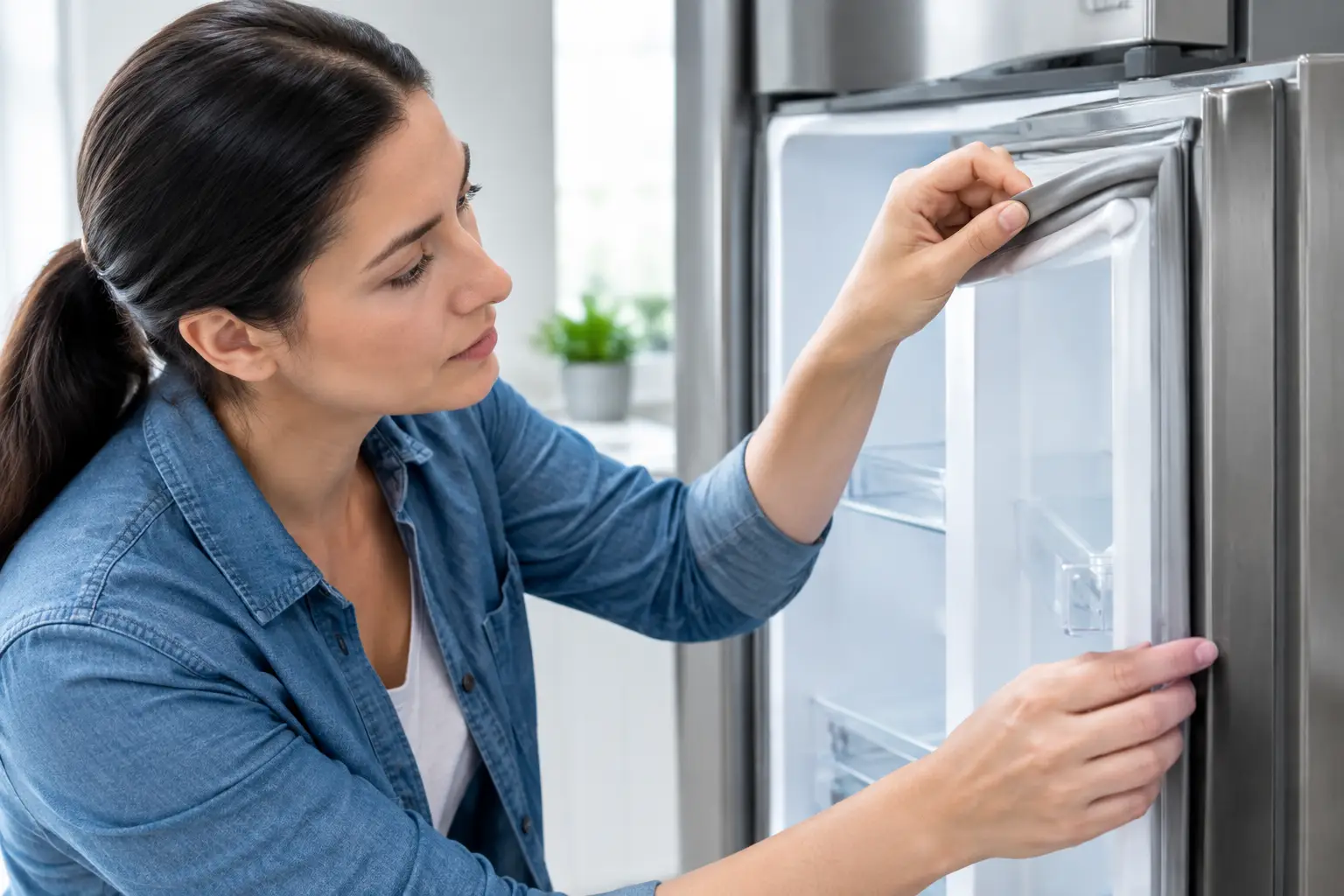

A refrigerator door that looks closed can still be letting cold air escape around the edges. That small gap can make the compressor run longer, raise your electric bill, and leave milk, leftovers, and produce warmer than they should be. Knowing how to spot refrigerator seal problems early gives you a chance to protect your food and avoid putting unnecessary strain on the appliance.
The refrigerator seal, also called a gasket, is the flexible strip around the door that creates an airtight closure. It is a simple part, but it has a big job in Florida homes, where warm, humid air quickly creates condensation and forces a refrigerator to work harder. A worn or dirty gasket does not always mean the entire refrigerator is failing. In many cases, the issue can be diagnosed and repaired before it becomes a larger problem.
Signs of Refrigerator Seal Problems at Home
The clearest sign is a door that does not seem to close firmly. A healthy refrigerator door usually has a slight pull when you open it because the gasket is holding a seal. If the door swings open easily, pops back open after being shut, or needs an extra push to stay closed, inspect the gasket and the door alignment.
Look closely at the rubber seal with the door open. Cracks, tears, hardened spots, loose corners, and flattened sections can all prevent a tight closure. Pay special attention to the lower corners and the hinge side of the door. Those areas take frequent wear and may collect crumbs, grease, pet hair, or spilled food that keeps the gasket from sitting flush against the refrigerator frame.
Condensation is another common clue. You may see moisture around the door opening, droplets on shelves near the front, or water collecting beneath produce drawers. Warm household air entering through a poor seal brings humidity with it. That moisture can become frost in the freezer or condensation in the fresh-food compartment.
Other signs are less obvious but still worth taking seriously. Your refrigerator may run for long periods, feel unusually warm around the exterior, or struggle to maintain a consistent temperature. You may also notice food spoiling sooner than expected, ice cream becoming soft, or freezer packages developing excess frost. These symptoms can have other causes, including airflow, defrost, or cooling-system issues, but a failing door seal should be one of the first things checked.
How to Spot Refrigerator Seal Problems With a Paper Test
A simple paper test can help confirm whether the gasket is gripping properly. Place a dollar bill or a strip of ordinary paper between the gasket and the refrigerator frame, then close the door. Pull the paper gently. You should feel resistance when the seal is doing its job.
Repeat the test around the top, bottom, hinge side, and handle side of the door. If the paper slides out freely in one location, that section may not be sealing. A single weak spot can be caused by a dirty gasket or a slightly misaligned door. Weak resistance around most of the door is more likely to point to a worn, warped, or damaged seal.
This test is useful, but it is not a complete diagnosis. A refrigerator that is not level, a bent door hinge, overloaded door bins, or a cabinet that has shifted can also affect how the door closes. If the gasket looks fine but the test repeatedly fails, professional diagnosis can identify whether the problem is the seal itself or the door hardware behind it.
Check for Dirt, Warping, and Door Obstructions
Before assuming the gasket needs replacement, clean it carefully. Use warm water, mild dish soap, and a soft cloth. Open the folds of the gasket gently and wipe out any sticky residue or debris. Avoid sharp tools, harsh solvents, or abrasive scrubbers that can tear or dry out the rubber.
Once it is clean, dry the gasket and inspect its shape. A healthy gasket should be flexible and sit evenly against the frame. If a section is folded inward or flattened, gently warming the room-temperature gasket with a hair dryer on low can sometimes help it regain its shape. Keep the dryer moving, use low heat only, and stop if the rubber becomes overly soft. Excess heat can damage the gasket or nearby plastic parts.
Also check what is inside the refrigerator door. A large milk jug, tall condiment bottle, or overfilled door bin can keep the door from closing completely. It may only take a quarter-inch of interference to create a gap. Rearranging items and closing the door slowly can reveal whether an interior obstruction is the real issue.
If your refrigerator has adjustable front leveling legs, an uneven unit can sometimes allow the door to drift open. Many refrigerators are designed to tilt slightly backward so gravity helps the doors close. Leveling adjustments vary by model, though, and forcing the appliance into position without checking the manufacturer guidance can create a different problem.
Why a Bad Refrigerator Door Seal Costs More Than You Think
A leaking gasket does more than let a little cold air out. Every time warm air enters, the refrigerator has to remove that heat and moisture. The compressor and fans may run longer, increasing wear on components that are more expensive to repair than a door gasket.
Temperature swings also affect food quality and safety. Refrigerated foods should stay at or below 40 degrees Fahrenheit, while the freezer should stay at 0 degrees Fahrenheit. If you suspect a seal problem, place an appliance thermometer inside for a day or two rather than relying only on the control panel display. If temperatures are climbing, move perishable food to a cooler or another refrigerator while the issue is being addressed.
There is a trade-off to consider: a little frost near a freezer door or a door that feels slightly less firm does not always require an emergency visit. But a refrigerator running constantly, warm food, repeated condensation, or a door that will not stay shut deserves prompt attention. Waiting can waste groceries and place more stress on the cooling system.
When Cleaning Is Enough and When Repair Is Needed
Cleaning may solve the problem when the gasket is intact, flexible, and simply blocked by residue. A door that was being held open by an overfilled bin may also return to normal as soon as the obstruction is removed.
Replacement is more likely when the seal is torn, permanently flattened, brittle, separated from the door, or visibly warped. Some gaskets can be replaced on their own, while others need careful fitting to seal evenly. The correct part depends on the refrigerator’s brand and model, and an improperly installed gasket can leave the same air leaks behind.
Door alignment problems may require hinge adjustment, leveling, or replacement hardware instead. This is where a professional diagnosis saves time. Replacing a gasket will not fix a sagging door, and adjusting a hinge will not restore rubber that has cracked from age and use.
Tampa Bay Appliance Repair provides in-home refrigerator diagnostics for homeowners who want a clear answer before spending money on parts. A technician can inspect the gasket, door alignment, temperatures, hinges, and cooling performance, then explain what repair makes the most sense for your appliance.
A Few Habits That Help the Seal Last
Keep the gasket clean, especially after spills and before heavy holiday cooking or grocery runs. Close the door by the handle rather than pushing against the edge of the gasket. Avoid slamming it, and do not overload door bins so heavily that the door begins to sag over time.
Give the door a quick look whenever you clean the kitchen. Catching a loose corner or sticky section early is much easier than discovering a problem after a freezer full of food has thawed. If the door keeps reopening or your refrigerator cannot hold a safe temperature, schedule a diagnostic visit soon. A fair repair at the right time can often keep a dependable appliance in service and your household routine on track.