
Dinner is halfway done, the oven is set to 350, and the food is still cold in the middle. That is the kind of problem that turns oven repair Lutz homeowners need into an urgent priority. Whether your oven will not heat, runs too hot, takes far too long to preheat, or displays an error code, a clear diagnosis can save you from wasted groceries, disrupted meals, and an unnecessary replacement purchase.
An oven is one of those appliances most families do not think much about until it stops working. The good news is that many common oven problems can be repaired. The right next step depends on the symptom, the appliance’s age and condition, and, most importantly, whether there is a safety concern.
Common Signs You Need Oven Repair in Lutz
An oven that does not heat at all is the most obvious sign something is wrong, but uneven performance can be just as frustrating. If cookies brown on one side while the other side stays pale, or a casserole takes much longer than the recipe says, the oven may not be maintaining the temperature shown on the display.
For electric ovens, the issue may involve a failed bake or broil element, a temperature sensor, wiring, a control board, or a power supply problem. A range can appear to have power because the clock or cooktop still works, while a tripped breaker or damaged connection prevents the oven from receiving the voltage it needs to heat properly.
Gas oven problems can have different causes, including a weak igniter, a faulty gas valve, a sensor issue, or a problem with the control system. If you hear repeated clicking without ignition, the burner lights but shuts off quickly, or the oven heats inconsistently, professional diagnosis is a safer choice than trial-and-error repairs.
Other signs worth scheduling a service visit for include a door that will not close or lock, a self-clean cycle that will not start, a display that is blank or flashing, sparking, burnt smells, and unusual noises. A single error code can point a technician in the right direction, but it does not always identify the failed part by itself. The model-specific diagnosis still matters.
When an Oven Problem Is a Safety Issue
Some problems should not wait until the next convenient opening. Turn the oven off and stop using it if you smell gas, see sparks, notice smoke that does not quickly clear from normal cooking residue, or find melted wiring or scorch marks around the appliance.
If you smell gas, do not operate electrical switches, light a match, or attempt to restart the oven. Leave the area, follow your gas provider’s safety instructions, and contact the appropriate emergency service if the odor is strong or persistent. A gas odor is not a repair problem to troubleshoot at home.
For electrical concerns, switch off the breaker only if you can do so safely and avoid touching damaged cords, outlets, or exposed wiring. An oven that trips the breaker repeatedly may have a failing component or electrical issue that needs attention before the appliance is used again.
Why Oven Temperatures Can Be Wrong
Temperature complaints are among the most common reasons homeowners request service. Your oven may say it has reached 350 degrees while the actual temperature is noticeably lower or higher. That can mean dry baked goods, undercooked meals, and a lot of second-guessing in the kitchen.
Before assuming a major part has failed, consider a few simple factors. Oven racks can affect air circulation, heavy cookware can change preheat times, and opening the door frequently releases a surprising amount of heat. A separate oven thermometer can provide a general reference, although inexpensive thermometers are not always perfectly accurate themselves.
When the difference is significant or consistent, there may be a mechanical or electronic cause. A worn temperature sensor can send inaccurate readings to the control, while a weak heating element may cycle poorly or fail to reach full temperature. On some models, calibration adjustments are possible. On others, recalibration will not solve the underlying problem if a component is failing.
This is where a proper diagnostic protects your budget. Replacing parts based only on a symptom can lead to paying for a fix that does not address the actual cause.
Repair or Replace: How to Make a Fair Decision
A broken oven does not automatically mean you need a new one. In many cases, replacing an igniter, heating element, sensor, door hinge, switch, or other serviceable component costs considerably less than replacing the entire appliance. Repair is often the practical option when the oven has otherwise been dependable, fits your kitchen well, and has no broader signs of deterioration.
Replacement may make more sense if the appliance has recurring failures, extensive electronic damage, severe rust or structural issues, or a repair cost that is high relative to the value and expected remaining life of the oven. Parts availability also matters. Older or uncommon models can sometimes be repaired, but discontinued parts may limit the options.
A trustworthy technician should explain the issue in plain language, identify the recommended repair, and let you decide without pressure. At Tampa Bay Appliance Repair, the diagnostic fee applies toward the repair, helping homeowners move from uncertainty to a clear, fair choice.
What to Expect From a Professional Oven Diagnostic
A good in-home visit starts with the details you have already noticed. Tell the technician when the problem began, whether it happens every time you cook, what settings are affected, and whether an error code appears. If you have the model number available, that can also help with accurate part identification.
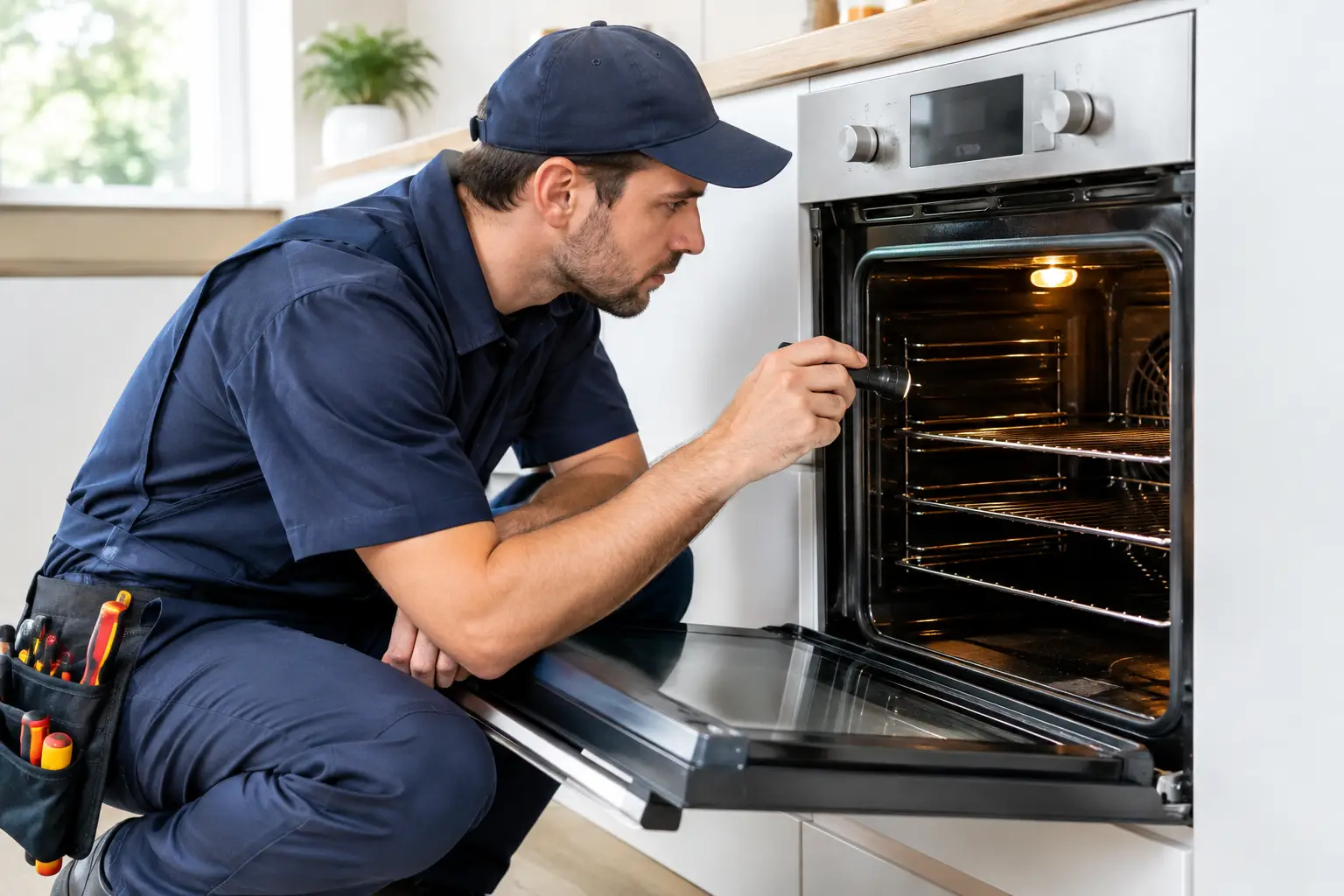
The technician will inspect the appliance, test relevant components, and check how the oven responds during operation. The process may include verifying power, testing heating components or ignition systems, checking sensors, examining the door and controls, and confirming whether the oven is cycling correctly. The exact steps depend on whether the unit is gas or electric and on the symptom itself.
After diagnosis, you should receive a straightforward explanation of what failed, what repair is recommended, and what the expected cost will be. Some repairs can be completed during the first visit when the needed part is available. Others require ordering a model-specific component and scheduling a return visit. Clear communication matters in either case, especially when meals and family routines are affected.
Small Habits That Help Your Oven Last Longer
Regular care cannot prevent every failure, but it can reduce unnecessary wear. Clean spills once the oven has cooled, particularly sugary or acidic spills that can bake onto surfaces. Avoid lining the oven floor with foil unless your manufacturer specifically permits it, since foil can interfere with airflow and heat patterns.
Use the self-clean feature with care. It operates at extremely high temperatures and can put added stress on door locks, controls, and aging components. For a heavily soiled oven or one that has already shown heating or display issues, manual cleaning methods may be the wiser choice.
Be gentle with the door as well. Slamming it or resting heavy items on an open door can damage hinges and affect the seal. If the door no longer closes squarely, heat can escape and cooking performance can suffer.
Getting Dependable Help for an Oven That Will Not Cooperate
A malfunctioning oven should not leave you guessing whether dinner is safe, whether the temperature is right, or whether a small issue is getting worse. For homeowners in Lutz and across the Tampa Bay area, licensed and insured service from a local technician offers a practical path forward for many makes and models.
If your oven is showing warning signs, make note of the symptoms, stop using it if there is any safety concern, and schedule a diagnostic before the problem disrupts another meal. A timely, honest repair can often bring a dependable kitchen appliance back into the routine your household counts on.